
Wayfinding & Directional Signage

When people get lost in a building, they blame the building. Patients miss appointments, visitors wander wards, and staff spend their day giving directions. Good wayfinding signs fix that quietly.
Wayfinding signs that work in busy buildings
We plan, make and install directional and wayfinding signage for hospitals, aged care, schools, libraries, councils and corporate sites. We start by walking the site the way a first-time visitor would, then work out what each sign needs to say and where it needs to sit.
What a wayfinding system includes
Directories
The first thing people look for at an entrance, a lift or a floor landing: what's here and where to go.
Directional signs
Wall-mounted, suspended, projecting or freestanding signs that point people along the route, placed at each decision point. Floor arrows and decals can mark the route as well.
Room and area identification
Ward names, room numbers, amenities and facility names, so people know they've arrived.
Tactile and Braille signage
Accessible signs for amenities, lifts and key rooms, built to Australian standards.
Outdoor and site signage
Entry signs, car park signs and pedestrian directional signs across a campus or site.
Regulatory and safety signs
Exit, fire and safety signage that fits in with the rest of the system.
How a wayfinding project works
- Site walk-through. We walk the routes visitors actually take and note every point where someone has to make a decision.
- Sign location plan. A plan showing every sign, what it says and where it goes, for your sign-off.
- Design and proofs. Signs designed to your brand and the building, with proofs before anything is made.
- Manufacture. Made in our North Melbourne workshop.
- Staged installation. Installed around a site that stays open, including out of hours when needed.
- Updates. When rooms change or a new wing opens, we make new signs that match the old ones.
Who we work with
Hospitals and health services, aged care providers, schools, libraries, councils, cultural venues and offices. Recent wayfinding work includes hospital ward and corridor signs, the Primrose Potter Australian Ballet Centre directory, library collection and study area signs, school directional signs and aged care signage for Wintringham.


Finishes
Cover Styl's Signature collection is grouped into seven finish families. We'll bring samples so you can see a finish against your own space and lighting before you commit.

Color
Solid colours and matte finishes
111 finishes

Wood
Natural wood grain textures
182 finishes
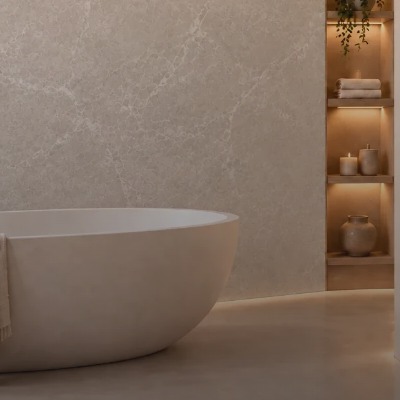
Stone
Marble, slate and mineral finishes
55 finishes

Steel
Brushed and oxidised metal effects
33 finishes

Textile
Woven fabric and leather textures
48 finishes

Organic
Material effects inspired by natural textures
12 finishes
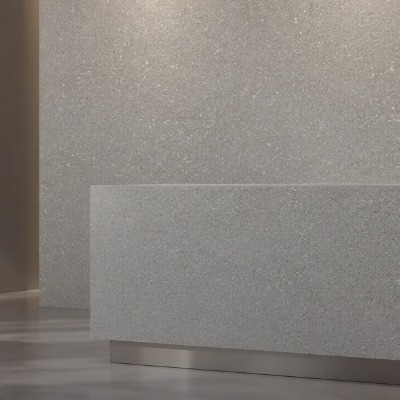
Glitter
Sparkle and shimmer effects
13 finishes
Finish images courtesy of Cover Styl.


Common questions
What's the difference between wayfinding and directional signage?
Directional signs point the way. Wayfinding is the whole system: directories, directional signs, room signs and landmarks working together so someone can get from the entrance to where they're going without asking.
Can you plan a wayfinding system, or just make the signs?
Both. We can walk the site and plan the system with you, or make and install signs to a plan from your architect or wayfinding consultant.
Can you install while our building stays open?
Yes. We stage installation around your operations, and out-of-hours installation is available at extra cost.
Do you make tactile and Braille signs?
Yes, for amenities, lifts and key rooms.
Can you add to an existing sign system?
Yes. We can match new signs to your existing ones, and keep records so future additions match too.
Related services
Larger wayfinding projects often start with a signage consultation. For public sector sites, see council and government projects.
Talk to us about your site. Call 03 9329 1244 or send us the details.


